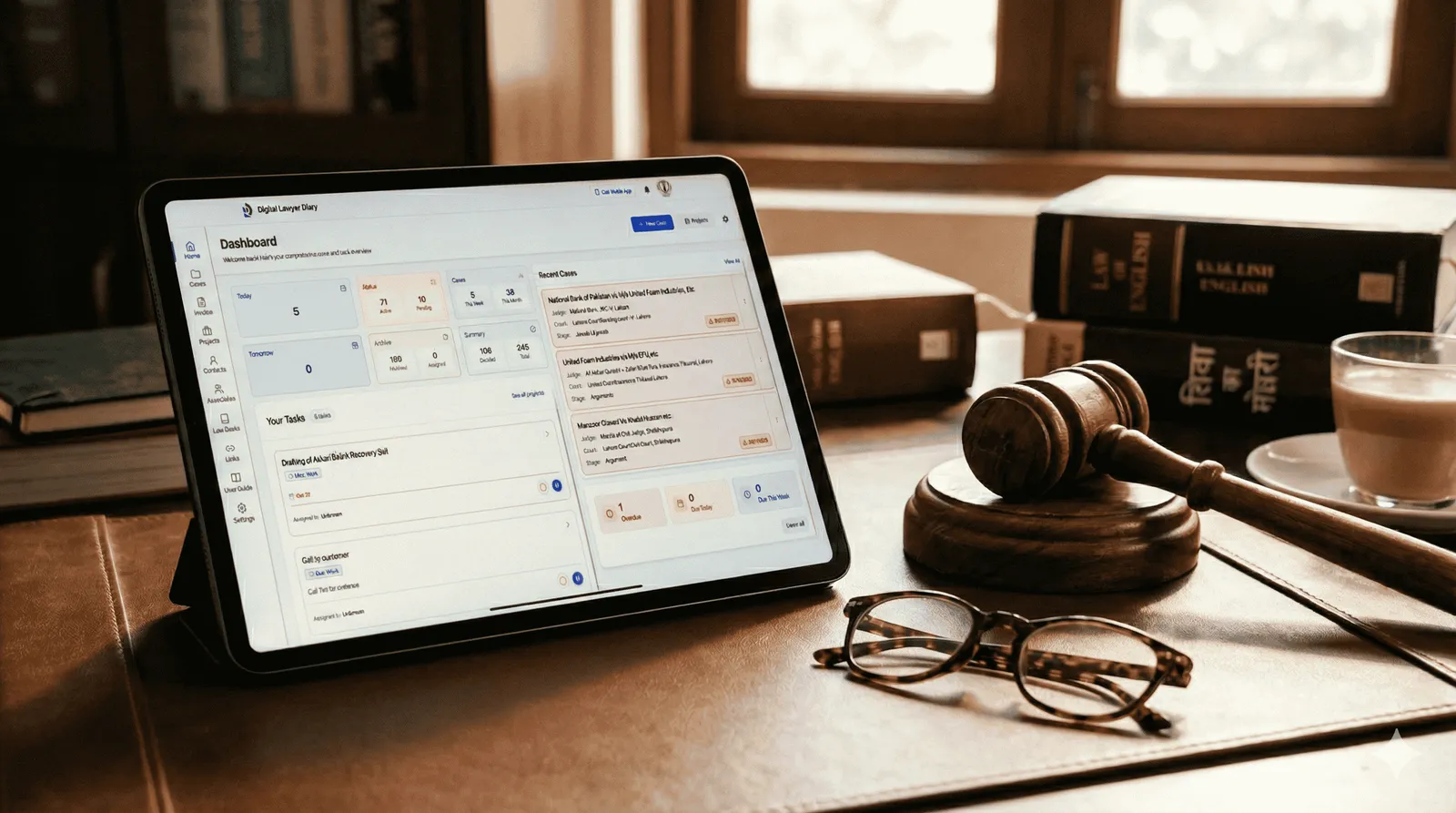
How to Maintain an Advocate Diary (Daily Routine + Checklist)
Time is the scarcest currency inside a busy chamber. Every missed reminder, misplaced note, or double-booked appearance chips away at client confidence and revenue. This guide distills what modern advocates, chambers managers, and boutique firms need to turn the humble diary into a proactive operating system that protects deadlines, accelerates billing, and reduces stress.
We will explore why paper-first workflows are breaking, unpack the anatomy of a truly effective diary, and compare analog and digital approaches so you can pick the mix that matches your culture. By the end you will walk away with practical next steps, ready-to-use checklists, and a renewed commitment to building habits that stick.
A daily routine that never misses a date
The advocates who never miss a hearing are not the ones with the best memory. They are the ones with a fixed routine that takes ten minutes a day and does not depend on mood, traffic or a clerk. Here is the routine, split into the three moments when a date is most likely to be lost.
Evening before
- Open tomorrow's page (or tomorrow's view in the app) and check it against the court's cause list, including the supplementary and urgent lists. Our cause-list hub lists where each court publishes them.
- For each listed case, read the last order and the stage so you know what the bench will ask for.
- Confirm the file, the documents to be filed and the client's attendance, and note the fee position: if a balance is due, decide now whether to raise it before or after the hearing.
- Send your junior or clerk the list of tomorrow's matters with courtroom and serial numbers.
At court
- Write the order and the next date on the case's row before the next case is called, not at the end of the day. Adjournments given orally are the ones that vanish.
- If a matter is not reached or is adjourned sine die, write that too, with a reminder to check the next list.
- If a new matter is fixed or transferred to you, enter it immediately with its case number and court; you can complete the parties and stage later.
After court
- Copy every next date to the month's cause-list sheet (in the app, this happens when you save the case).
- Record any fee received in the ledger and update Fee Due on the case.
- Write one line of to-dos for each case: documents to prepare, witnesses to summon, a client to call.
- Glance at the next working day's page so nothing on it is a surprise.
10-point advocate diary checklist
Print this and keep it inside the front cover of your diary, or pin it above your desk. Tick every item at the end of each week.
- Every active case has a next date, or a note saying why it does not (reserved, sine die, decided).
- Every next date has been copied to the month's cause-list sheet or calendar.
- Every hearing this week has a one-line order recorded against it.
- Every fee received this week is in the ledger, with a receipt number.
- Fee Due is correct on every case you appear in next week.
- Documents to be filed before next week's hearings are listed, with who is preparing them.
- New matters received this week have a case number, court and client contact entered.
- Your junior or clerk has the same next dates you have (compare diaries, or check the shared diary).
- Tomorrow's list has been checked against the court's cause list, including supplementary lists.
- A backup exists: a photographed page, a copy in the register, or a cloud diary that syncs.
If you use the free Advocate Diary 2026 template, items 1 to 5 map directly to its daily page, cause-list sheet and fee ledger.
The Modern Advocate's Dilemma: Why Paper Is Holding You Back
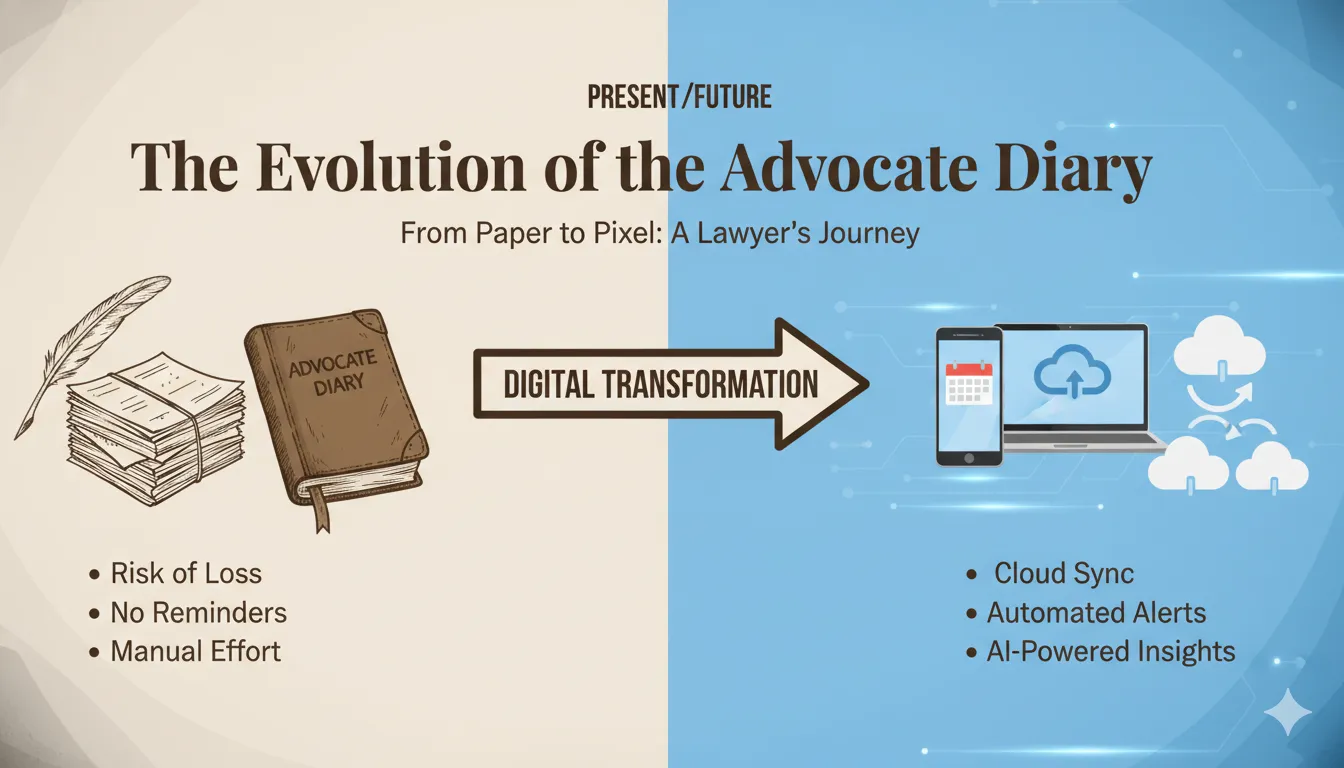
Leather-bound diaries feel substantial, but the legal landscape now demands cloud-speed coordination. When every client expects instant updates and regulators impose stricter timelines, a standalone notebook becomes a single point of failure.
Missed Deadlines and Malpractice Risks
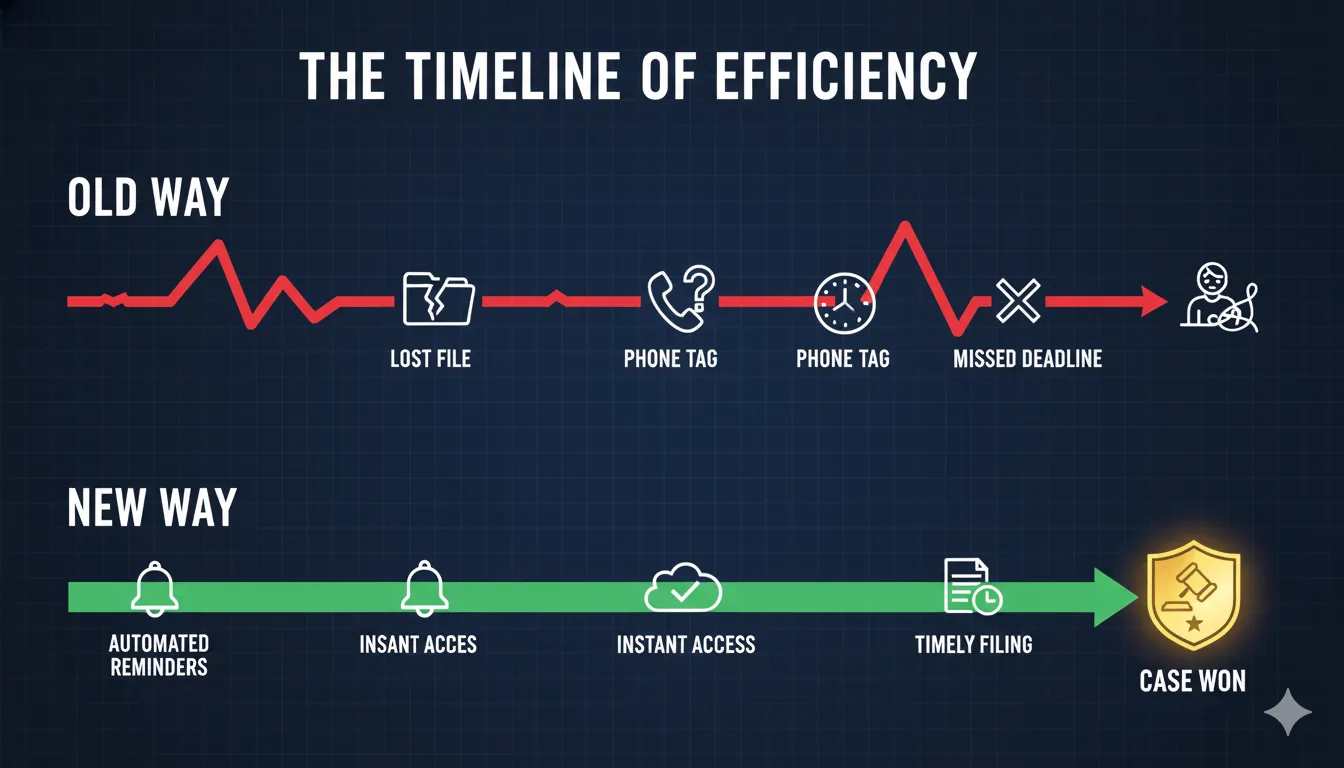
A paper diary cannot warn you if two hearings collide or if a filing window closes tomorrow. There are no backup copies, no escalation workflows, and no audit trail when a date is overwritten. One spill, one lost bag, or one distracted clerk can jeopardize an entire matter and invite malpractice exposure.
Inefficiency and Wasted Billable Hours
Advocates regularly lose hours rewriting schedules, cross-referencing handwritten notes with case files, or retyping tasks for juniors. Digital advocate diary management software turns those chores into single-click actions with global search, bulk edits, and integrations that sync events directly into matter timelines.
The Psychological Burden of Disorganization
Disarray fuels burnout. When you cannot trust the system that should guard your obligations, the mental load compounds. A reliable diary—analog or digital—frees cognitive bandwidth so you can focus on strategy rather than survival.
The Core Components of an Effective Advocate Diary
Whether you prefer an app, a wall calendar, or a hybrid approach, your diary should operate as the central nervous system of the practice. These components keep matters moving forward with clarity.

Case Information Management
Every entry must tie back to a case number, parties, jurisdiction, judge, and lead counsel. Legal case management diaries let you view that metadata alongside the date so you never hunt through inboxes to understand the context of a reminder.
Calendaring and Deadline Tracking
Color codes, recurring events, daily/weekly/monthly views, and tiered reminders are non-negotiable. Look for systems that trigger alerts via email, SMS, or push notifications and that automatically flag conflicting commitments.
Client and Contact Management
Embed CRM-grade data: client phone numbers, opposing counsel details, witness availability, and support staff assignments. The goal is instant recall from any device without relying on personal address books.
Task and To-Do List Management
Matters move via tasks. Your diary should surface actionable to-dos, track owners, and allow quick prioritization so you know exactly what deserves attention each morning. Tie tasks to estimated effort or billable codes when possible.
Document and Evidence Management
You do not need a full DMS inside your diary, but you should link or pin critical documents—draft pleadings, notices of hearing, briefs—directly to events. That way the supporting material is only one tap away when you are stepping into court.
Digital vs. Analog: Choosing the Right System
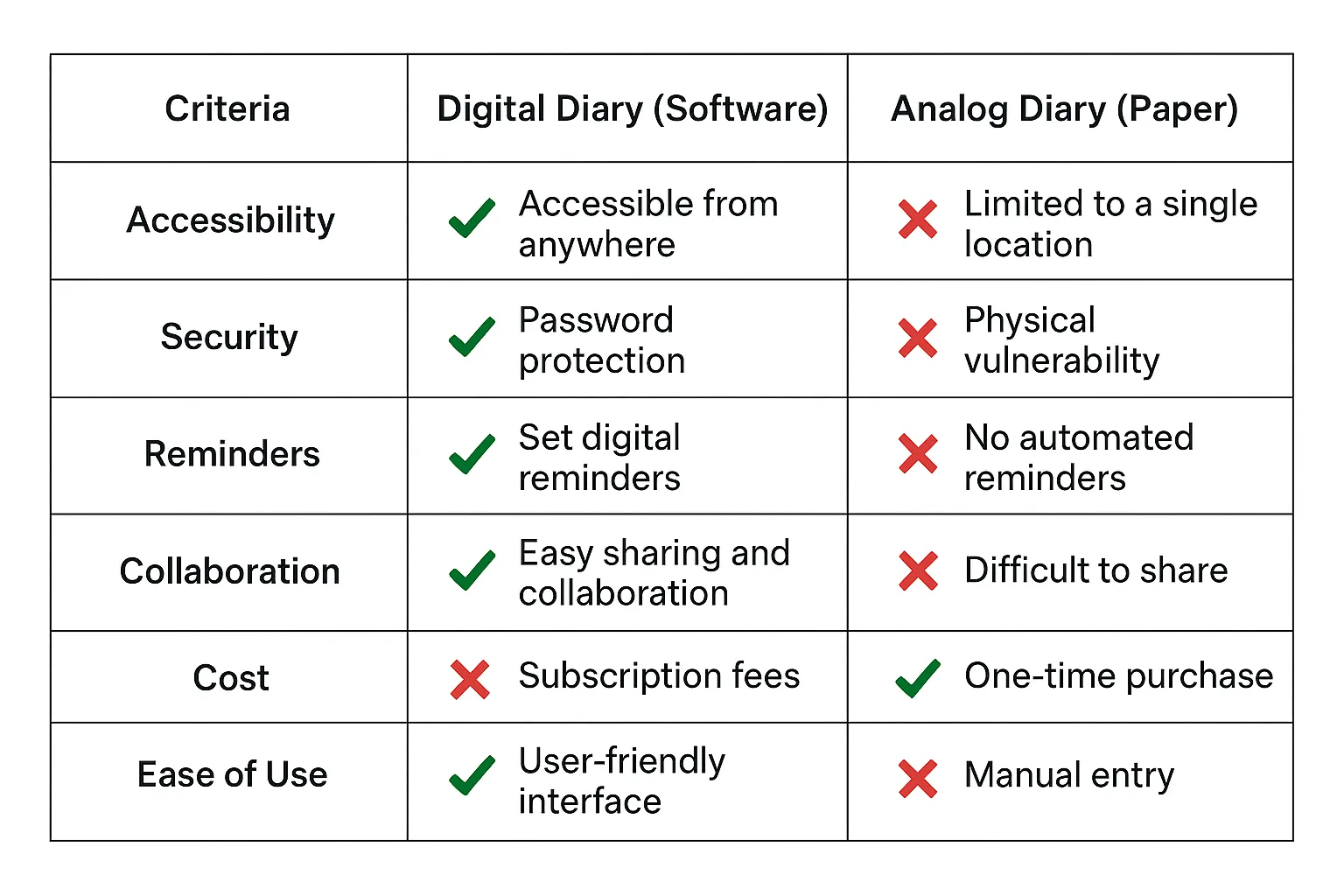
The best tool is the one you will update daily. Use the comparison below to design a hybrid stack or to double down on a fully digital workflow.
The Case for Digital Advocate Diary Software
Cloud-based advocate diary apps offer collaboration, version history, and automation that extend far beyond a calendar. They also unlock remote work, court-side updates, and centralized insights for partners who want firm-wide visibility.
Top 5 Must-Have Features
- Cloud Sync: Keep desktop, tablet, and phone in lockstep so every stakeholder operates on real-time data.
- Automated Reminders: Multi-channel alerts become your safety net against missed filings or client reviews.
- Centralized Case Files: Attach timelines, notes, and documents to each matter without juggling folders.
- Team Collaboration: Shared calendars, assignment workflows, and comments keep chambers aligned.
- Integrations: Sync with email, e-sign, accounting, and Digital Lawyer Diary automations to eliminate duplicate data entry.
The Enduring Appeal of Physical Diaries
Some advocates process information better when writing. Paper reduces notification fatigue and can be faster for jotting ideas in court. To make analog work, impose structure.
- Invest in a high-quality notebook with day-per-page layouts so you have room for tasks, hearings, and follow-ups.
- Use consistent symbols, abbreviations, and color codes to make entries scannable for you and your clerk.
- Maintain a future log covering the next 12–18 months to capture filings beyond the printed pages.
- Schedule a weekly transcription ritual where you migrate critical notes into your digital matter files for safekeeping.
Quick Takeaways
- Going fully digital dramatically reduces malpractice risk through backups and automated nudges.
- Diaries should operate as mini practice platforms, not just calendars.
- Choose tools that match your workflow, then build habits that keep data current.
- Automate where possible so clerks focus on client service, not manual reminders.
- AI-ready diaries will soon predict conflicts, surface insights, and draft updates automatically.
Conclusion
Managing an advocate diary is no longer administrative busywork; it is foundational risk management and a growth lever. When every deadline, client touchpoint, and billable task lives in a trusted system, you protect reputations, accelerate cash flow, and reclaim mental space for deep legal work.
The tool you choose matters, but the habits you build matter more. Establish daily reviews, block a weekly planning session, and standardize how the entire chambers records information. Do that consistently and your diary becomes the control tower of your practice.
Call to Action: What is the single biggest challenge you face with your current advocate diary system? Share your experiences with the community and inspire other legal professionals to rethink their workflows.
Ready to Upgrade Your Advocate Diary?
Turn every deadline into a competitive edge with Digital Lawyer Diary. Automate reminders, centralize matters, and give your team the visibility they need to deliver flawless client service.
Frequently asked questions
What is the best advocate diary software for solo practitioners?
Digital Lawyer Diary offers the right balance of mobile apps, automated reminders, and connected case timelines so solos operate like larger firms without extra staff.
How do I transition from a paper diary to a digital system?
Run both systems for two weeks, add every new deadline into Digital Lawyer Diary, backfill active matters, and dedicate time for onboarding so no hearing slips through the cracks.
Is it secure to store confidential client data in an online advocate diary?
Yes—Digital Lawyer Diary encrypts data in transit and at rest, enforces granular permissions, and supports multi-factor authentication. Request the security documentation that aligns with your jurisdiction.
Can an advocate diary help with billing and invoicing?
Digital Lawyer Diary captures billable hours alongside tasks, then pushes approved time entries into invoicing workflows so you recover more revenue with fewer manual steps.
What are the best advocate diary practices for busy law firms?
Inside Digital Lawyer Diary, standardize naming conventions, share calendars, invest in training, and appoint data champions who audit entries weekly to keep teams aligned as caseloads scale.
Have a question about this article? Contact us or browse the help centre.