5 Legal Case Diary Mistakes Costing Lawyers Time & Money

For decades, the life of a successful advocate has revolved around one specific object: the daily diary. It is the heartbeat of your practice, containing dates, deadlines, and client details. However, relying on a static, physical ledger in 2026 is no longer a badge of tradition - it is a liability.
With court systems digitizing and client expectations rising, the margin for error has vanished. Managing your case diary inefficiently doesn't just cost you time; it can cost you a case. Whether you are a solo practitioner or running a firm, moving to a digital legal diary is no longer optional. In this post, we will explore the top 5 mistakes lawyers make when managing their case diaries and how modern tools like Digital Lawyer Diary can help you fix them.
Mistake #1: Relying Solely on Physical Diaries (The "Lost Book" Risk)
The most common mistake is trusting a single physical book with your entire livelihood. A manual diary is vulnerable to theft, fire, water damage, or simply being misplaced in a busy courtroom. If you lose your diary, you lose your practice's memory.
Digital Solution:
Transitioning to a cloud-based lawyer case diary ensures that your data is indestructible. Even if you lose your phone or laptop, your case history remains safe on the server. With Digital Lawyer Diary, you can access your records from any device, ensuring that a lost bag never translates to a lost career.
Mistake #2: Missing Hearing Dates Due to Lack of Alerts
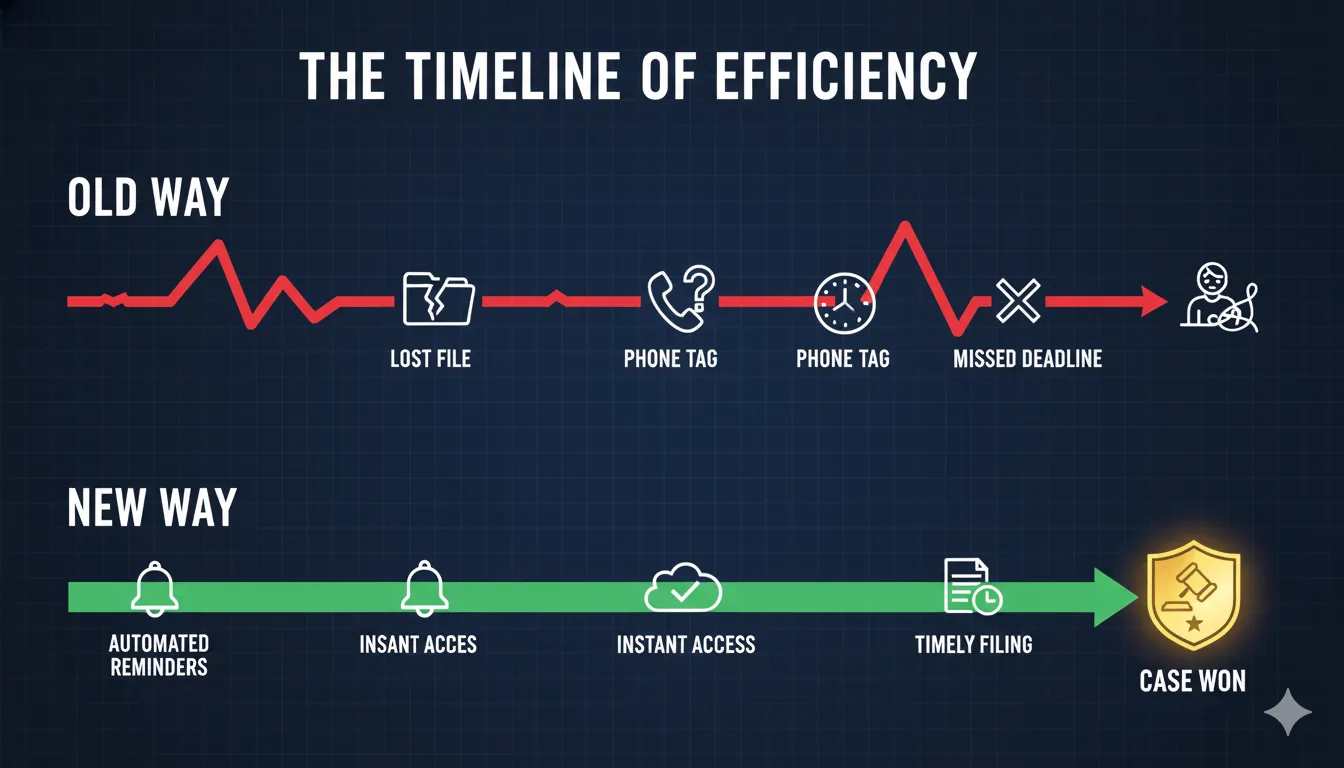
Did you know that missed deadlines are a leading cause of malpractice claims against attorneys? A physical diary is "passive" - it requires you to look at it to know what is coming. If you forget to check the page for next week, you might miss a critical filing deadline.
The Automated Fix:
Modern software turns your passive diary into an active assistant. Digital Lawyer Diary features automated reminders that alert you before a hearing comes up. This ensures you have ample time to prepare arguments or file documents without the last-minute panic.

Mistake #3: Bottlenecking Information (The "One Diary" Problem)
In a growing firm, the "one diary" system creates a massive bottleneck. If a senior advocate has the diary, the juniors cannot see the schedule. If a junior takes the diary to court, the office staff cannot answer client queries. This leads to endless phone calls just to check a simple date.
Collaborative Efficiency:
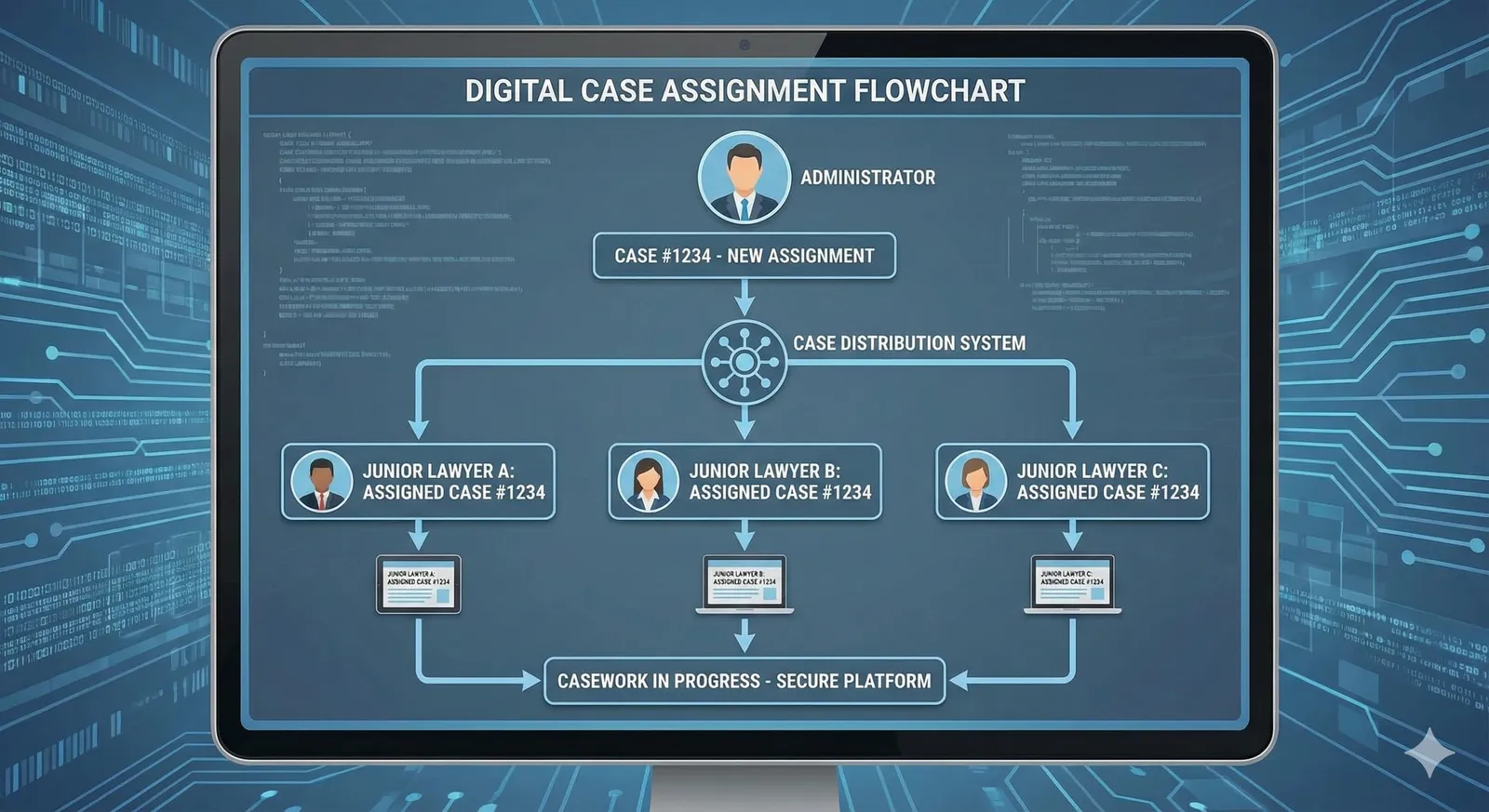
You need a system that supports teamwork. Using the Assign Case feature in Digital Lawyer Diary, you can delegate specific matters to different team members.
- Add Lawyers: You can add lawyers to your firm’s account.
- Delegate: Assign cases to juniors so they get their own notifications.
- Sync: Everyone stays on the same page without passing a book around.
Mistake #4: Ignoring Data Security and Privacy
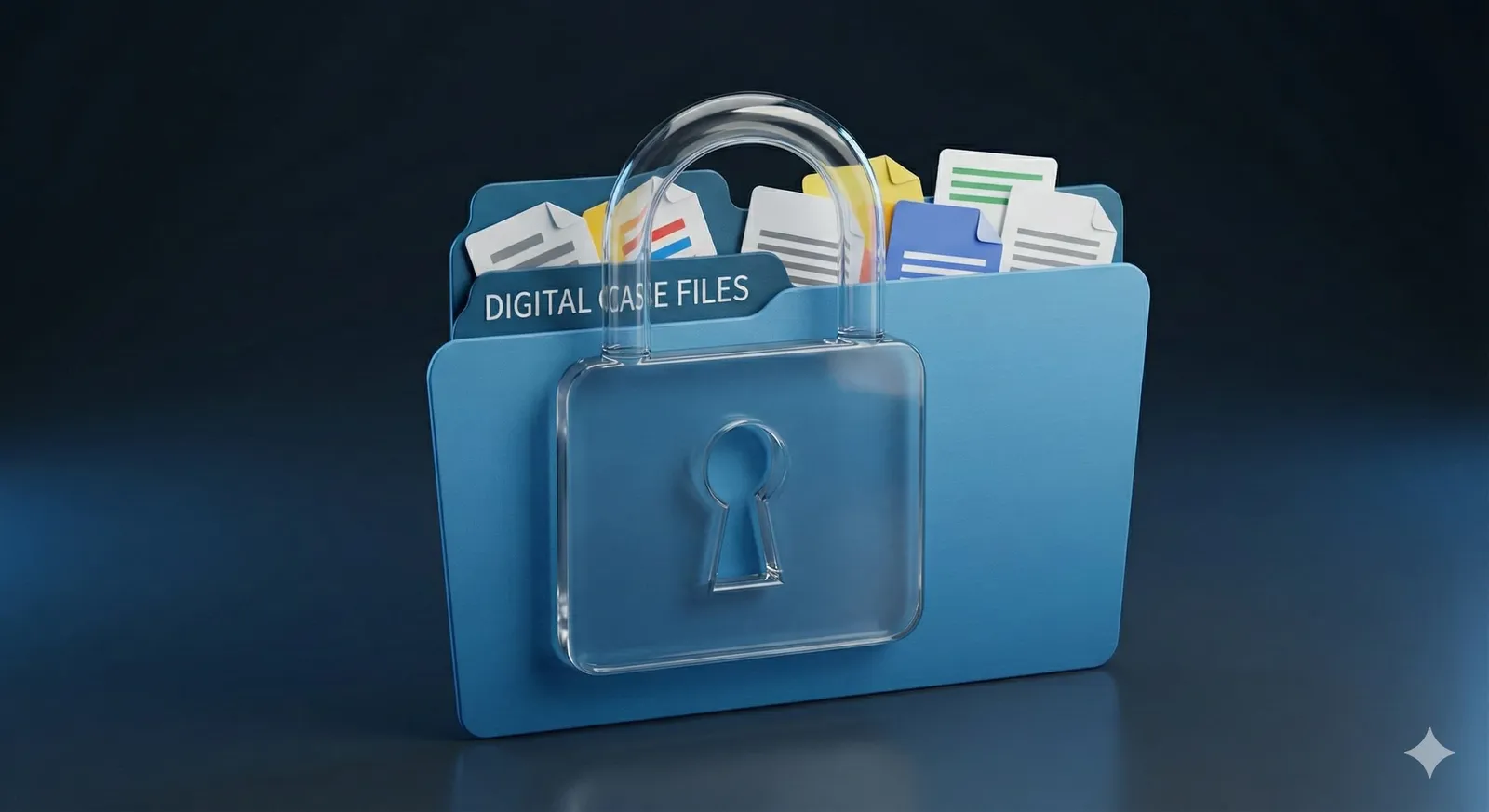
Many advocates leave their physical diaries sitting on desks where clients or opposing counsel could theoretically glance at sensitive notes. Privacy is the cornerstone of legal practice, yet manual diaries offer zero encryption.
Bank-Grade Security:
Digital tools provide a layer of security that paper cannot match. Digital Lawyer Diary uses secure login protocols to ensure that only authorized personnel can view your case details. Your client's data is protected by encryption, keeping it safe from prying eyes and ensuring you remain compliant with client confidentiality standards.
Mistake #5: Failing to Customize Your Workflow
Every lawyer works differently. A criminal lawyer needs to track bail dates, while a civil lawyer focuses on filing stages. A standard printed diary forces everyone into the same rigid format.
Customization is Key:
A digital tool allows you to mold the software to fit your practice, not the other way around. With Customization, you can configure your view to show exactly what matters to you—whether that's upcoming hearings, pending fees, or recent client activity. This flexibility allows you to manage your cases with a "Create Case" flow that matches your specific court procedures.
Conclusion
Managing a legal practice is hard enough without the added stress of disorganized records. Dropping these five habits - paper reliance, ignored alerts, siloed information, weak security, and rigid workflows - frees up hours every week.
The future of legal practice is digital. Don't let an old diary hold your firm back.
Ready to modernize your practice? Sign up for Digital Lawyer Diary today and experience the difference.
Have a question about this article? Contact us or browse the help centre.